
FAA Part 107 · FAASTeam DronePro · Boeing 777 Captain
Fly with the precision of an airline captain.
Elite instruction in drone flight, regulations, aerial photography and cinematography — taught by an active Boeing 777 Captain, FAA-certified Remote Pilot and professional photographer.
PRE-FLIGHT · CHECKLIST
ALT
≤ 400 FT AGL
LOS
VISUAL — MAINTAINED
RID
BROADCASTING
WX
VFR · WIND 6 KT
STATUS
CLEARED FOR TRAINING
Every lesson starts the way every airline flight does — with a briefing, a checklist and a plan.
B777
Active airline Captain
Boeing 777 Captain for a major U.S. airline
Part 107
FAA-certified Remote Pilot
Commercial sUAS certificate holder
FAAST
DronePro representative
FAA Safety Team outreach & education
Pro
Professional photographer
Commercial photo & video production
What you'll learn
Four disciplines. One standard of excellence.
Choose a path below — or combine them into a fully personalized training plan built around your goals, aircraft and schedule.
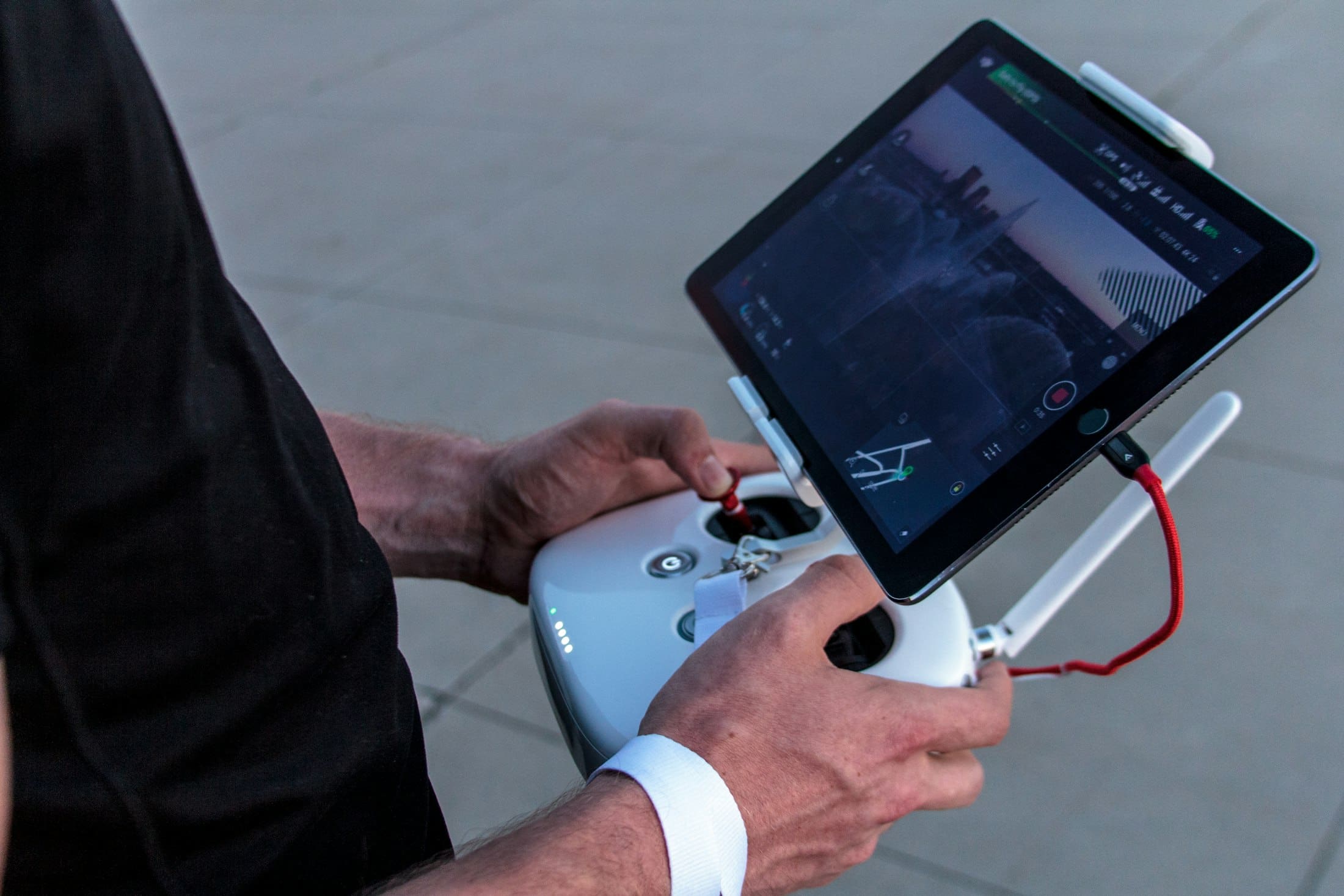
From first hover to complex commercial missions.
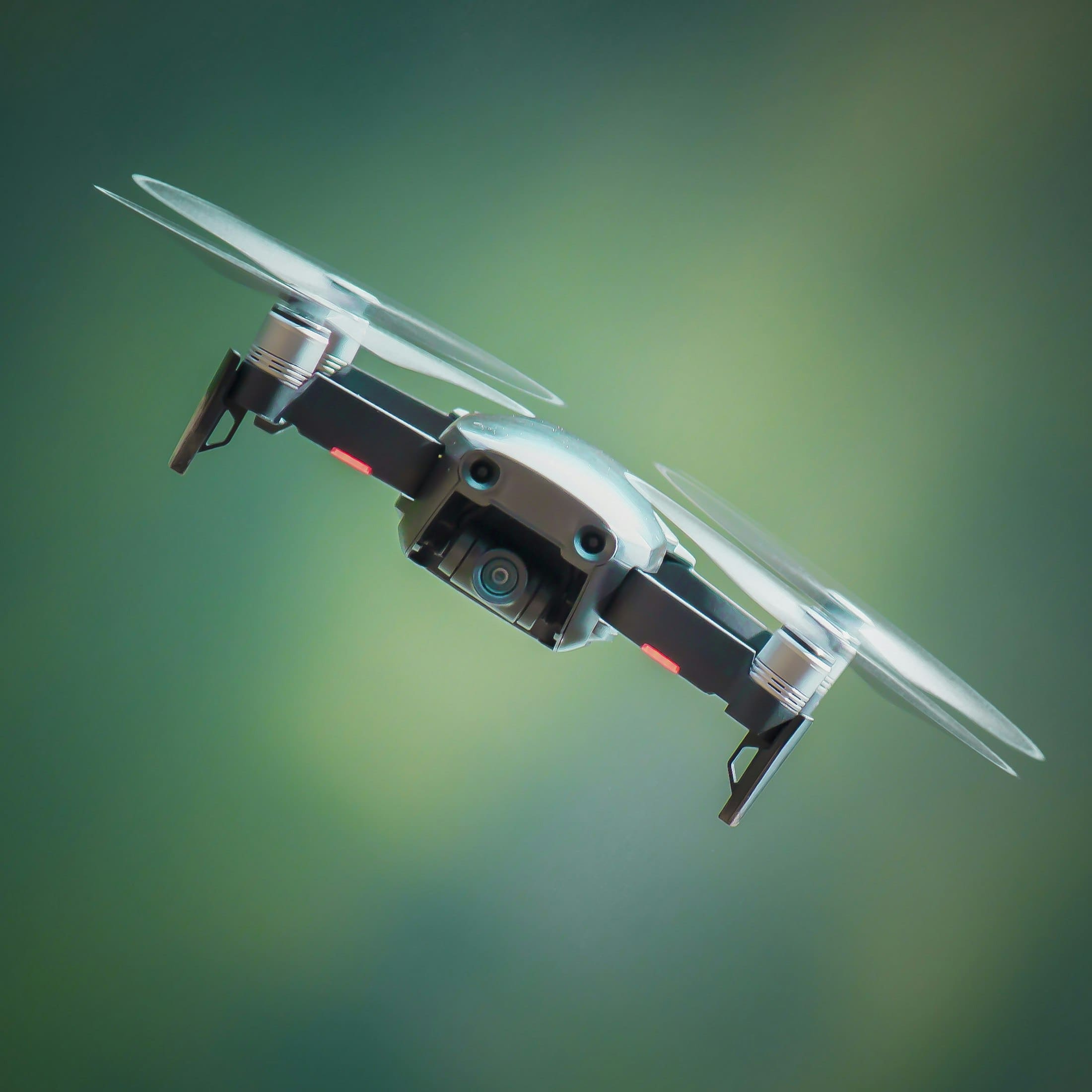
Drone Flight Training
Build real stick-and-rudder skill and the decision-making that keeps aircraft, people and property safe. Training follows the same brief–fly–debrief rhythm used in airline cockpits.
- Part 107 knowledge test preparation
- Pre-flight planning, airspace & LAANC
- Precision maneuvers and emergency procedures
- Night operations and Remote ID compliance

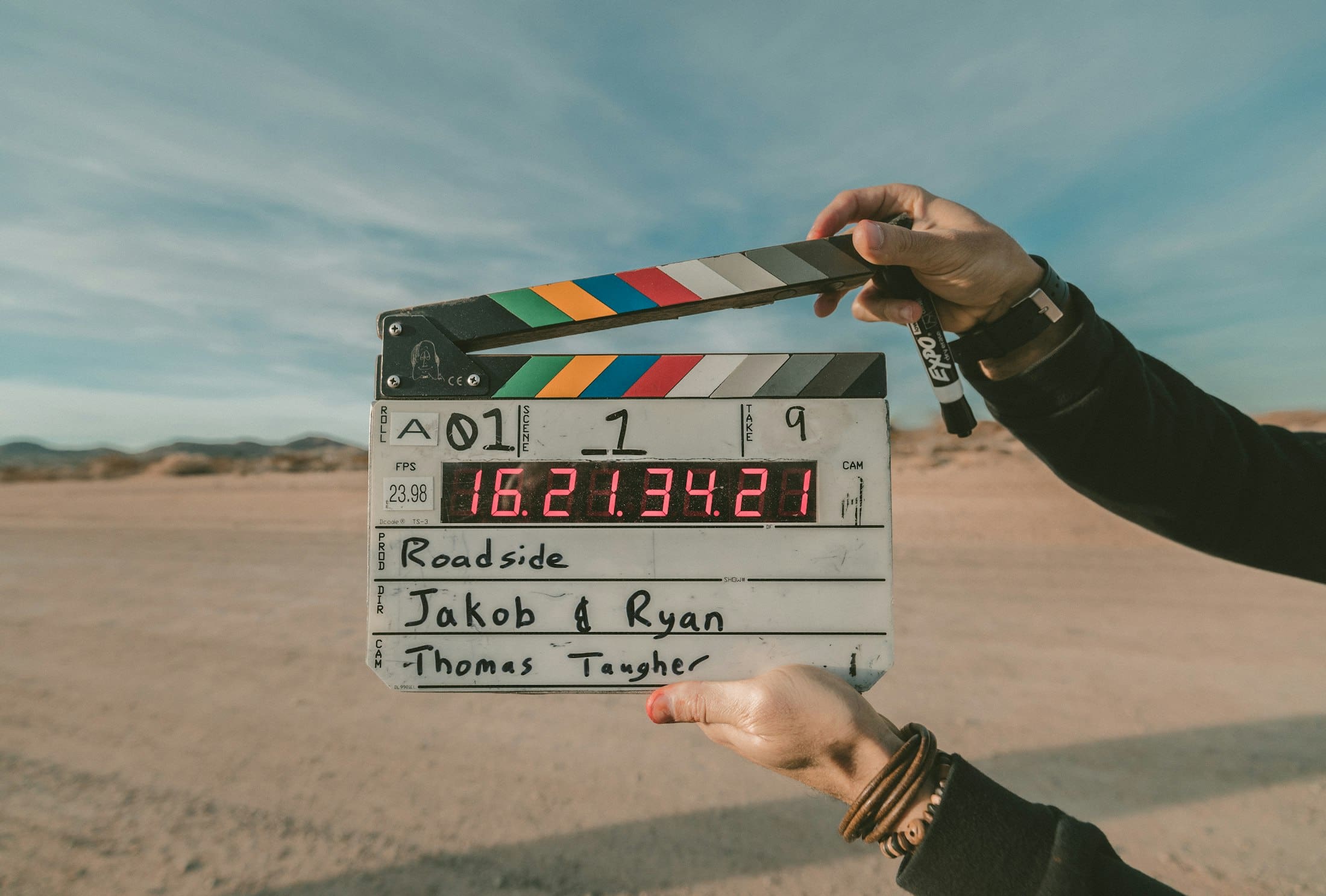
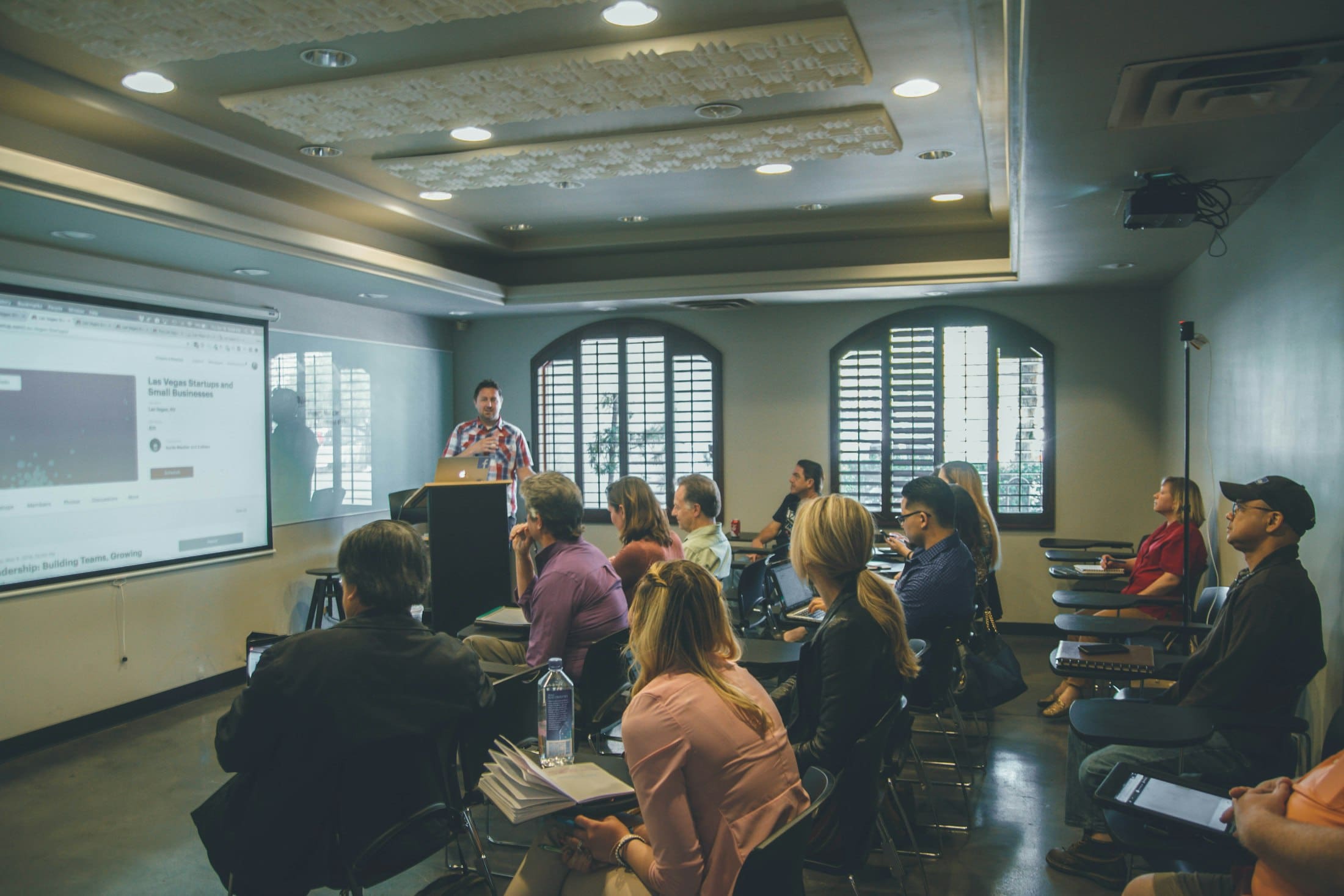
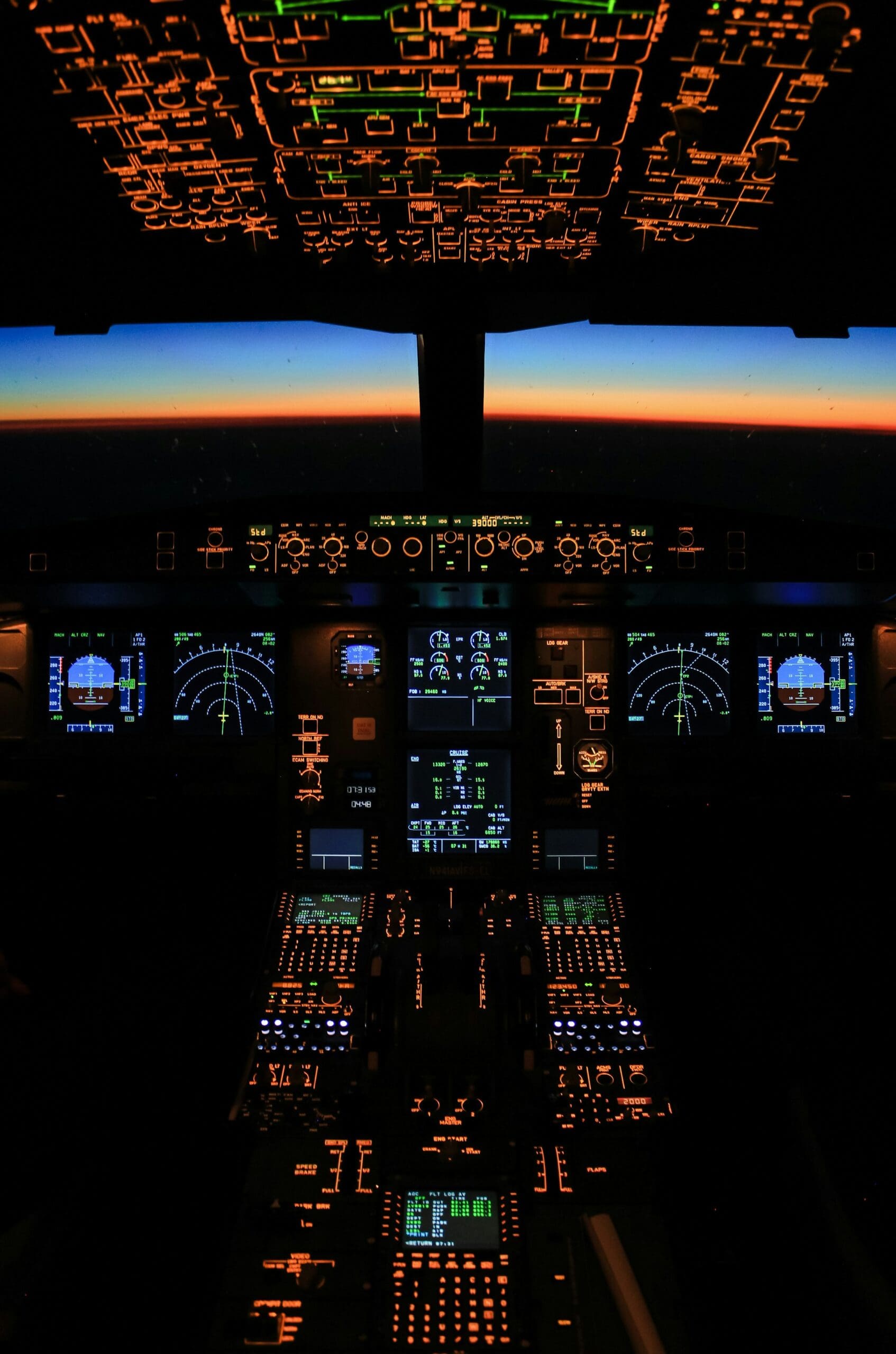
Why train with an airline captain
The flight deck mindset, applied to every drone flight.
Commercial aviation runs on preparation, procedure and professionalism. Drone Mastery brings that culture to unmanned flight — so you fly safer, shoot better and operate with total confidence.
01
Checklist discipline
Structured briefings, checklists and debriefs — the same habits that keep airline operations among the safest in the world.
02
Risk management
Learn to evaluate weather, airspace, people and equipment before the props spin, and to make the go/no-go call with confidence.
03
Craft & creativity
Safety is the foundation, not the ceiling. Once the fundamentals are second nature, your creativity has room to fly.
Regulations, decoded
Know the rules before you leave the ground.
Regulations are where most new pilots get lost. We translate FAA requirements into clear, practical knowledge you'll actually use in the field.
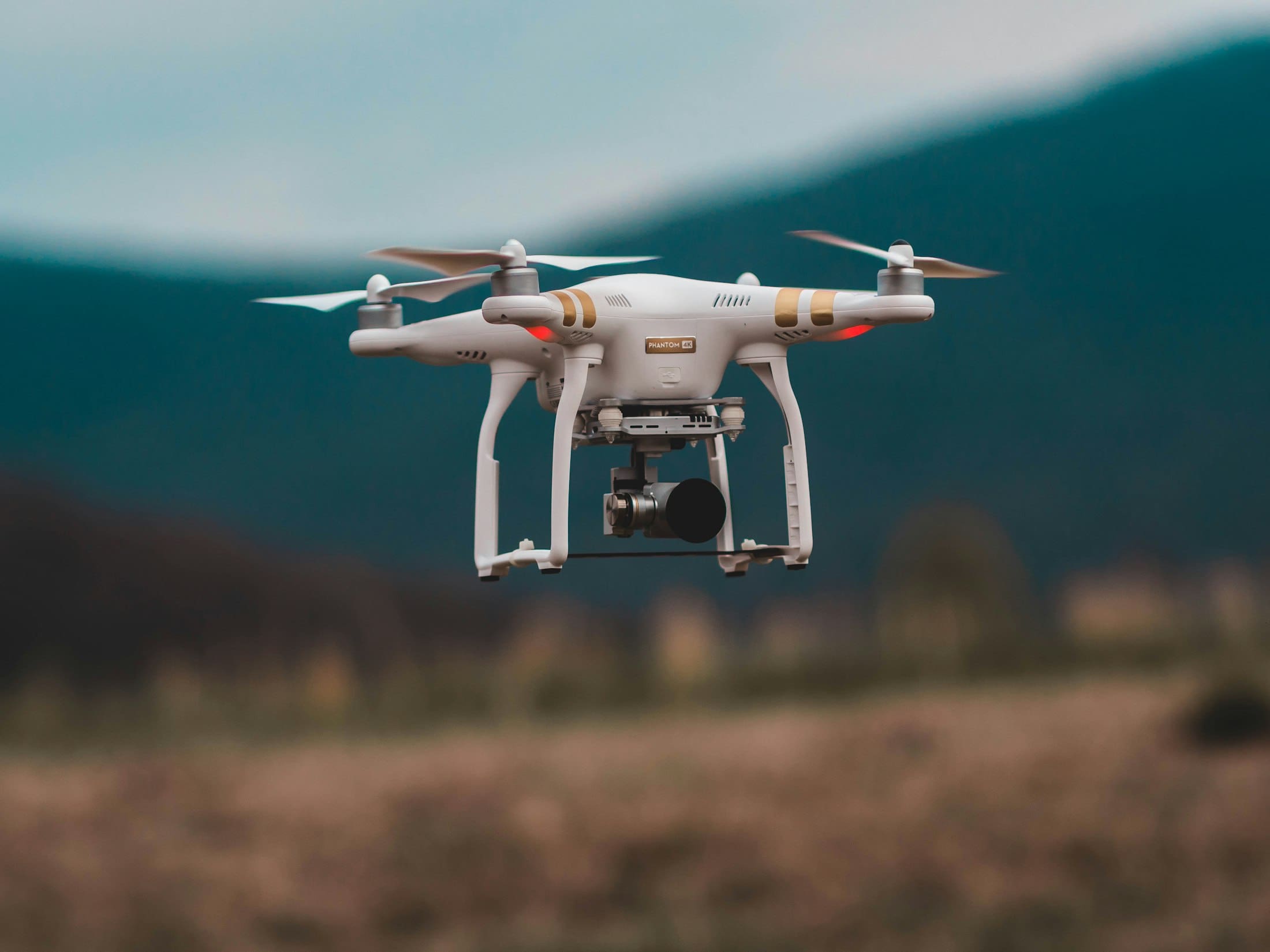
Part 107
Commercial certification
Flying for any business purpose requires an FAA Remote Pilot Certificate — earned by passing the Aeronautical Knowledge Test and kept current with recurrent training every 24 months.
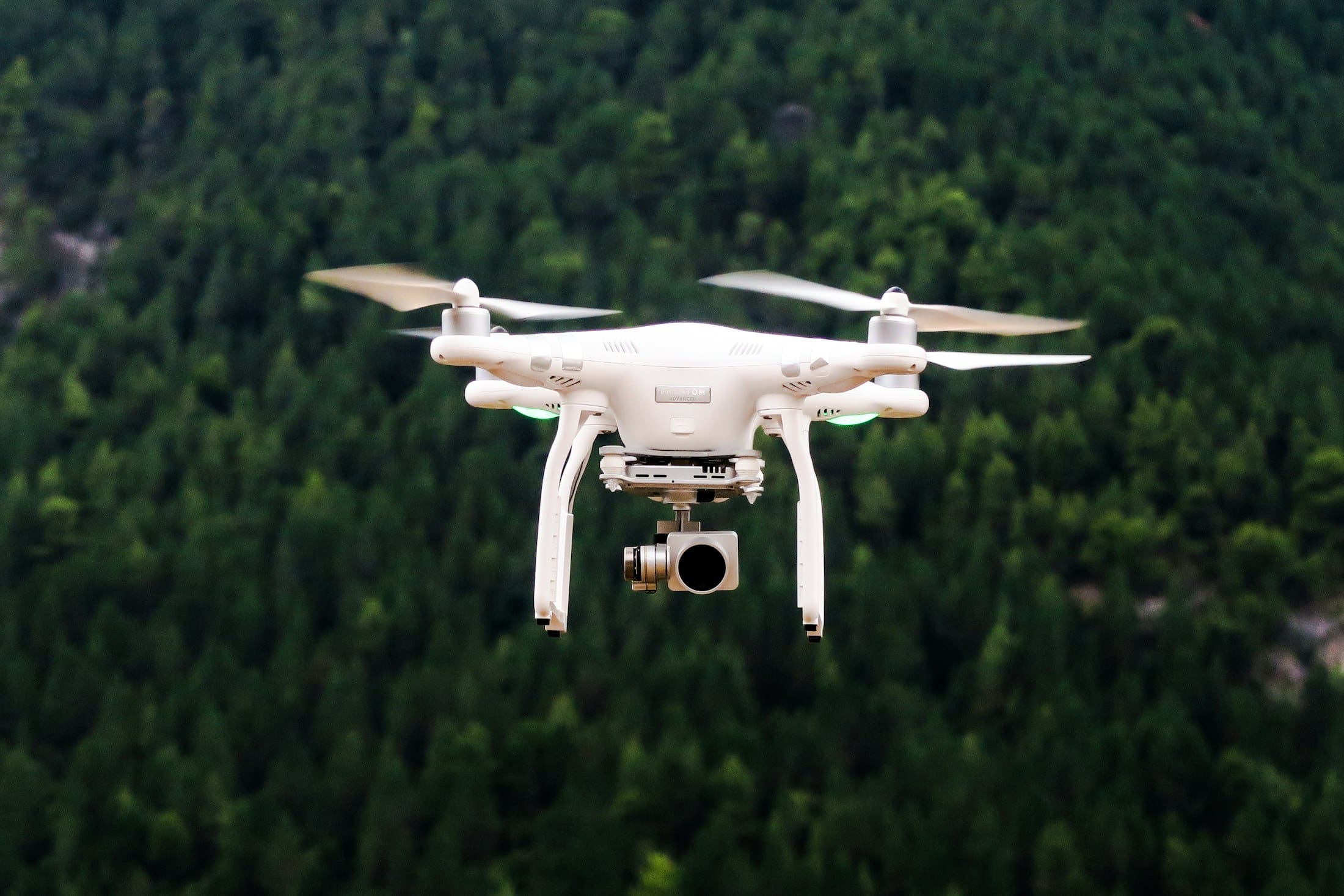
TRUST
Recreational flyers
Hobbyists must pass The Recreational UAS Safety Test (TRUST), follow community-based safety guidelines and register drones over 250 grams.
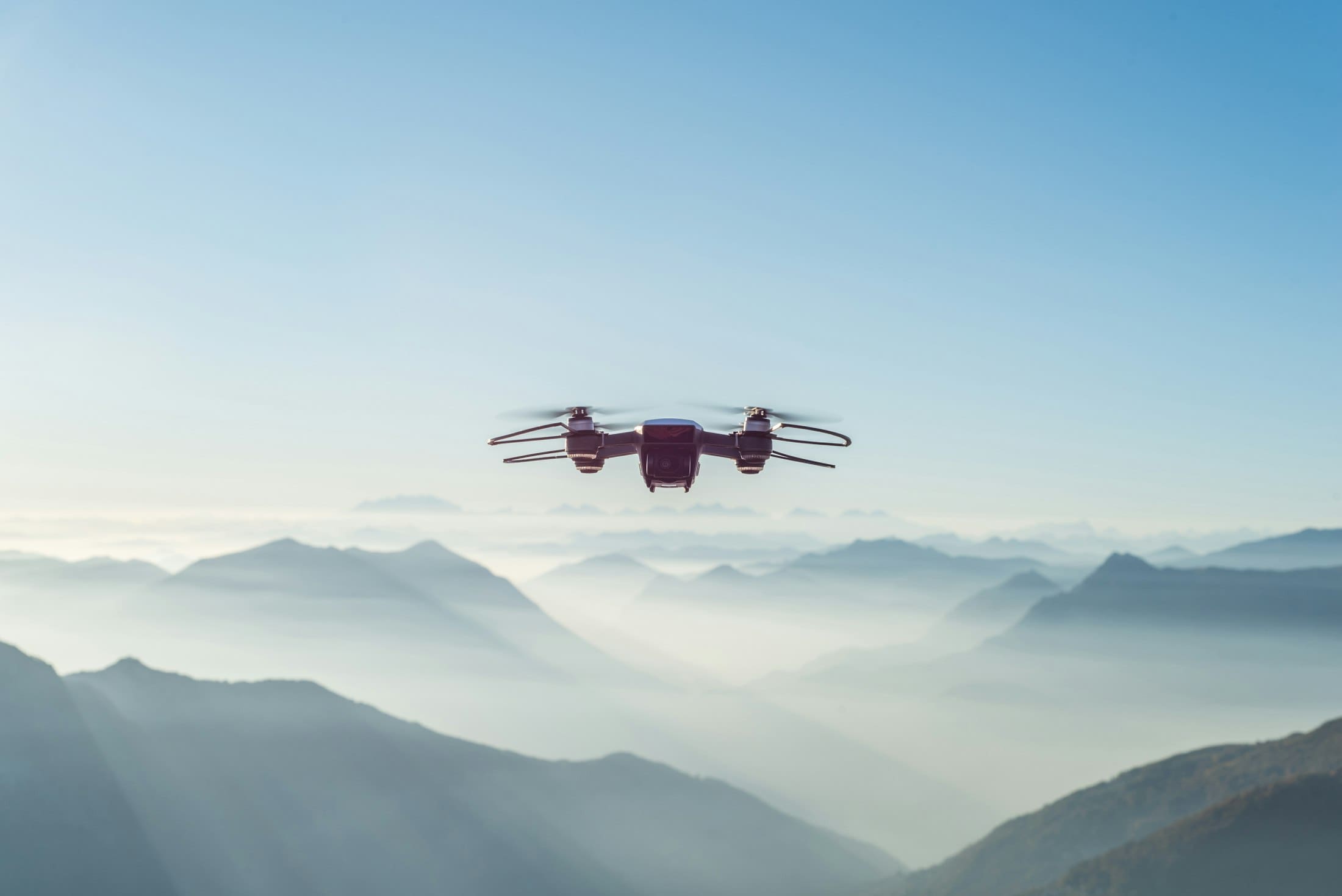
Remote ID
Digital license plate
Most drones that require FAA registration must broadcast Remote ID — either built-in or through a broadcast module — while flying.

LAANC
Controlled airspace
Near-real-time airspace authorization lets certified pilots fly near many airports at or below approved altitudes — when you know how to read the grid.
Regulations change. Always confirm current requirements at faa.gov/uas before you fly.
The Logbook
News, courses & gear — from the flight line.
Questions
Before you take off.
Still wondering where to start? Send a note and get a straight answer from the instructor.
Do I need a license to fly a drone?
It depends on why you fly. Commercial or business flights require an FAA Part 107 Remote Pilot Certificate. Purely recreational flyers must pass the free TRUST test and follow recreational safety rules. We'll help you determine exactly which applies to you.
I've never flown before. Is training right for me?
Absolutely. Many students start with zero experience. Personalized training begins with fundamentals — controls, orientation and safety procedures — and builds at a pace that fits you.
Can you help me pass the Part 107 knowledge test?
Yes. Test preparation covers airspace, sectional charts, weather, loading and performance, regulations and operations — taught by an instructor who reads charts for a living.
Do you offer one-on-one or group sessions?
Both. Choose private personalized training in any discipline, or join small-group courses and events announced on the Logbook.
Which drone should I buy?
The right aircraft depends on your goals and budget. Consulting sessions include equipment guidance, and our Equipment & Reviews articles cover new releases as they arrive.
Your first lesson is a briefing away
Ready to take the controls?
Tell us what you fly, what you want to create and where you want to go. We'll build a training plan around you.