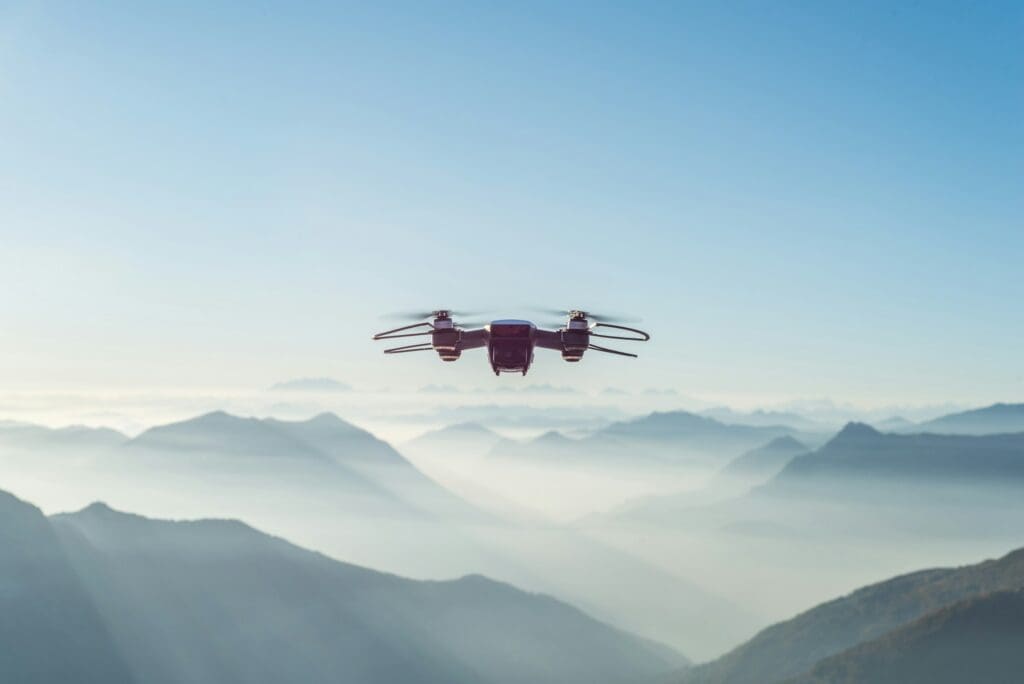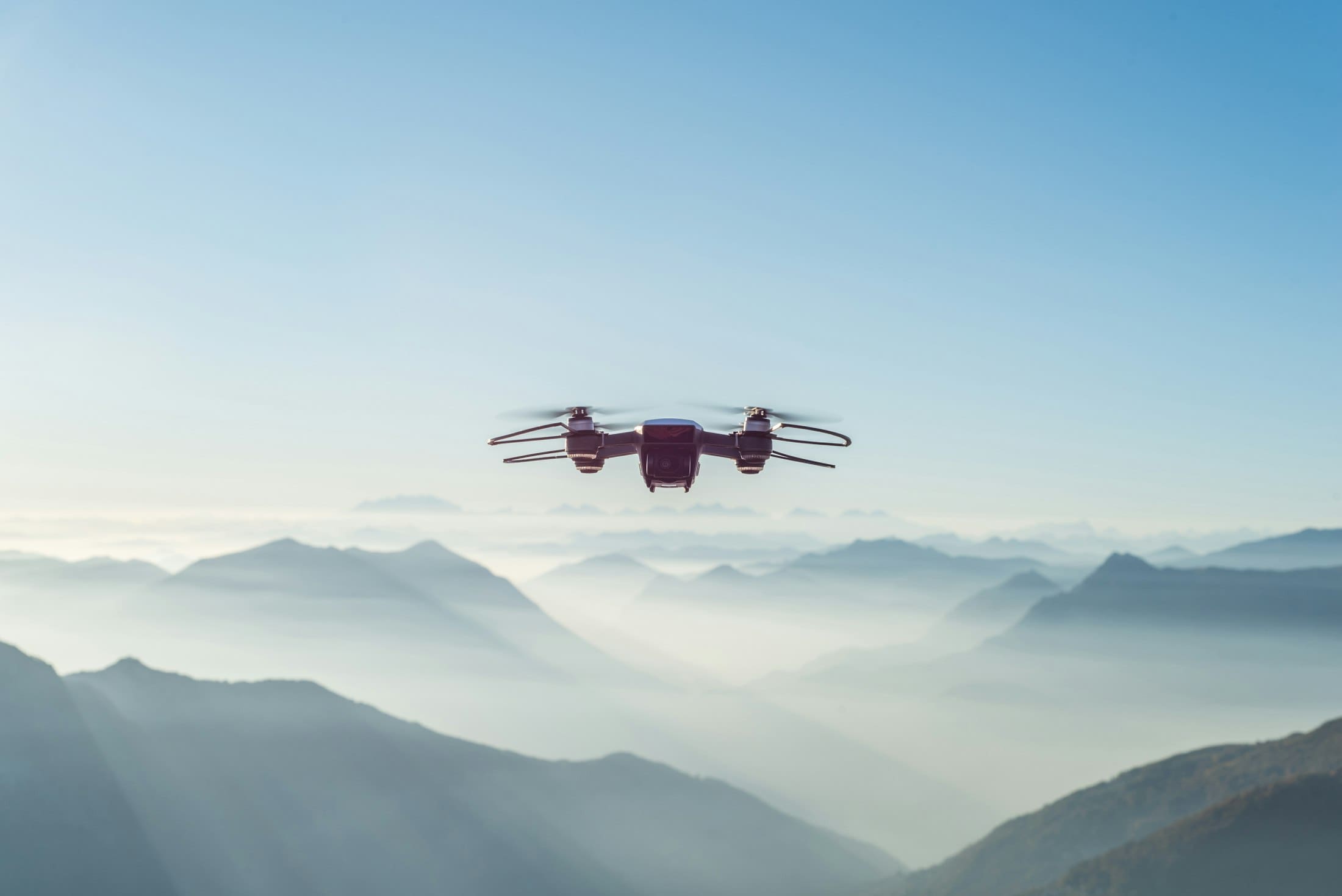
Remote ID is often described as a “digital license plate” for drones. It allows a drone in flight to share identification and location information that can be received by other parties — a foundation for safer, more integrated airspace.
Who needs Remote ID?
In general, any drone that is required to be registered with the FAA must also comply with Remote ID. That includes every drone flown under Part 107 (regardless of weight) and recreational drones that weigh more than 250 grams.
Three ways to comply
- Standard Remote ID drone — the capability is built in by the manufacturer.
- Remote ID broadcast module — an add-on device for drones without built-in Remote ID.
- FAA-Recognized Identification Area (FRIA) — designated locations where drones without Remote ID may fly within visual line of sight.
What gets broadcast
Remote ID messages include the drone’s identity, its location, altitude and velocity, the location of the control station or takeoff point, a time mark and emergency status.
Practical tips
- Make sure the Remote ID serial number is listed on your FAA DroneZone registration.
- If you use a broadcast module, add a pre-flight checklist item to confirm it is powered and broadcasting.
- Keep firmware up to date — manufacturers continue to refine Remote ID behavior.
Regulations evolve. Always confirm current requirements at faa.gov/uas before you fly.